
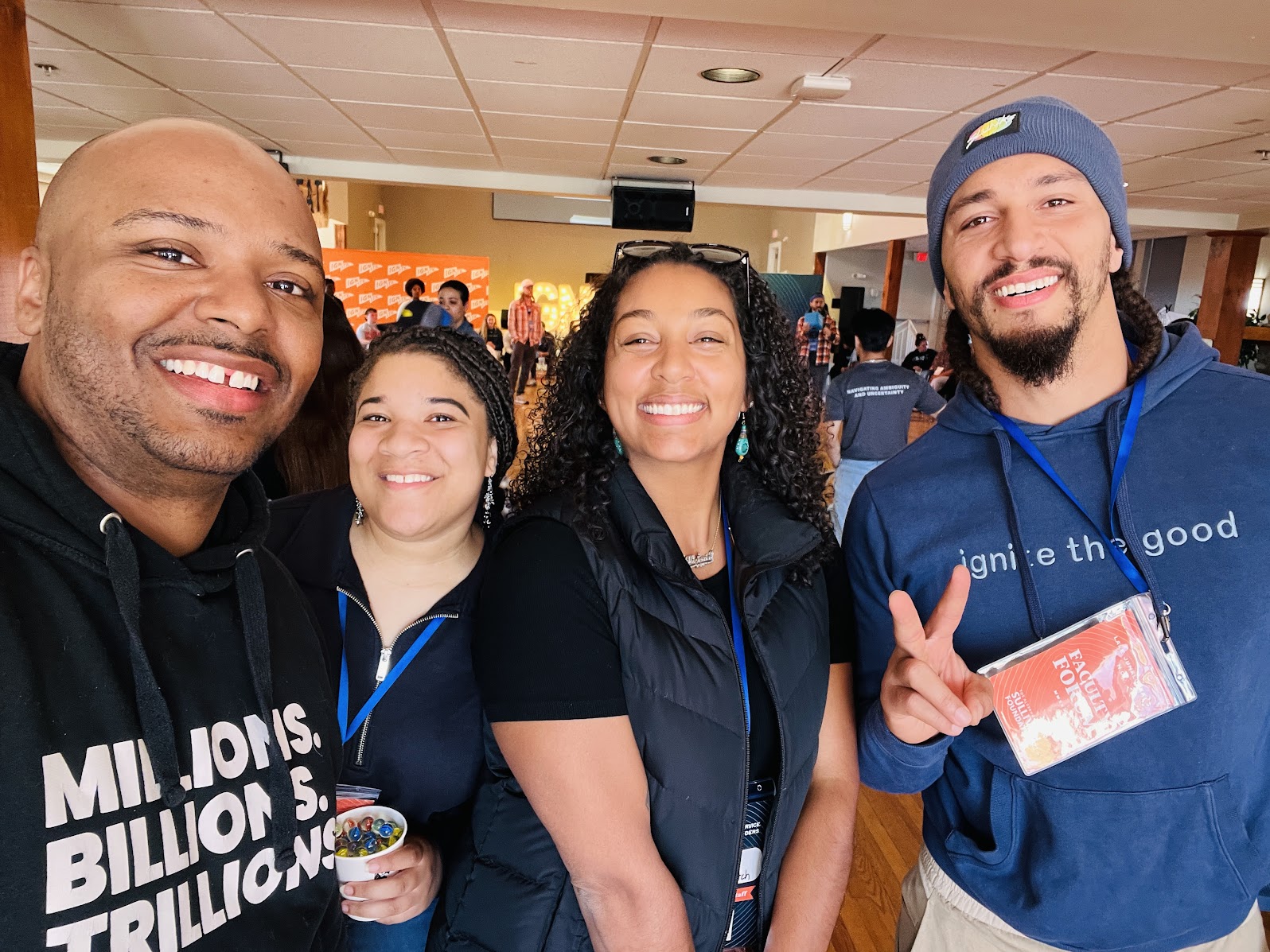
What the Faculty Forum is actually for
The Faculty Forum is one of the most important and least flashy parts of Sullivan Weekend. It does not compete with student programming for attention, nor is it meant to. Its purpose is steadier than that. It gathers faculty and staff who are helping shape campus culture and gives them time to think together about teaching, mentorship, student formation, and the practical conditions under which values-based leadership can take root.
The Faculty Forum acknowledges a simple truth: students rarely grow in a vacuum. They grow in the presence of adults who design environments, structure opportunities, ask better questions, and keep showing up. If Sullivan wants students to become more thoughtful, service-oriented, and practically capable leaders, it must also invest in the faculty and staff members who help make that growth possible on campus.
That clarity matters, especially for readers who may not yet understand the architecture of Sullivan Weekend. The Forum is not an add-on or a courtesy track. It is part of the Foundation’s recognition that students do not grow in isolation. They grow in classrooms, advising meetings, campus projects, and long conversations with adults who help them name possibility and responsibility.
A collaborative room rather than a lecture hall
Jody Holland, who leads faculty engagement for the Foundation said faculty and staff participants leaned in meaningfully during this spring’s track. “Rather than simply delivering presentations, faculty members facilitated dialogue and encouraged other faculty and staff to wrestle with ideas together,” he said. This created, in his telling, “an environment where learning was collaborative and relational.”
That description helps explain what felt strongest about the Forum this spring. According to Holland, the atmosphere was not transactional. It was communal. Faculty and staff were not simply consuming content. They were wrestling with ideas together, comparing notes from their campuses, and refining the language and tools they carry back to students.
In that sense, the Forum mirrored one of the Foundation’s deeper convictions. Learning is most durable when it is relational. A faculty gathering that allows for questioning, exchange, and practical reflection will often do more good than one that offers polished presentations without room for mutual thought.
Learning in parallel with student formation
The public agenda for the spring Faculty Forum gives a glimpse of that practical orientation. Saturday included sessions on rapid prototyping and customer discovery for design thinking, followed by work on self-awareness and social impact. Faculty were invited to observe Fellows and Ignite programming, then gather for a campus liaison meeting led by Holland. On Sunday they were again invited into student programming, including Year 3 Fellows leadership talks and the pinning ceremony. In other words, the Forum did not isolate faculty from student work. It gave them access to it. They were learning in parallel and also learning from proximity.
That structure is part of what makes the Forum distinctive. Faculty and staff are not hidden away from the student energy of the weekend. They are close enough to observe it, to learn from it, and to think more concretely about how similar kinds of formation can be supported back home.
Why the faculty and student tracks belong together
There is a temptation in higher education to separate development into neat compartments: students over here, faculty over there, curriculum in one file, character in another. Sullivan Weekend works partly because it resists that fragmentation. It treats student growth and faculty growth as related forms of stewardship.
A faculty member who leaves Lake Junaluska with a better assignment, a clearer mentoring framework, or stronger confidence about supporting student initiative has not only improved their own professional practice. That faculty member has increased what is possible for students on a home campus. A student who leaves with stronger relationships, clearer responsibility, and a more developed sense of contribution will often return to the kind of campus environment a thoughtful faculty mentor can strengthen. One form of growth serves the other.
This mutuality is one of the most compelling parts of the Sullivan model. It says that values-based education is not something students do alone and that educators are not merely content deliverers. They are co-laborers in the work of helping purpose take shape. When the Faculty Forum goes well, it produces very real outcomes: renewed teachers, more intentional campus partners, and a stronger human bridge between weekend inspiration and semester-long reality.
What felt new this spring
What felt especially strong this spring was the degree to which faculty and staff leaned into dialogue. Holland said the learning environment was collaborative and relational, and that distinction matters. In many professional settings, people are rewarded for certainty. Here they seemed willing to ask, compare, and reconsider. That posture gives the Forum some of its real usefulness. It becomes not just a conference line on the calendar, but a working room for thoughtful campus partners.
The broader weekend tone seems to have helped. Across Sullivan Weekend, participants appeared more open and engaged, and the Forum benefited from that same atmosphere. When the wider gathering is marked by honesty, willingness, and connection, faculty conversations become more grounded as well. People are better able to talk about what students need because they are watching students engage in real time.
What comes next for the Faculty Forum
For faculty and staff, the future likely includes the same kind of steady sharpening. Holland said the Foundation will continue listening carefully to feedback as future Sullivan Weekend gatherings are designed, and that listening should matter to campus partners because it suggests the Forum will keep evolving in response to real needs rather than habit.
For faculty and staff, the future likely includes the same kind of steady sharpening. The Foundation continues to emphasize professional growth, collaborative networking, and impact beyond the classroom. Those themes will matter even more if the Foundation looks for ways to distribute some programming through regional and campus-based experiences. Stronger faculty partners make stronger campuses, and stronger campuses make Sullivan’s student work more sustainable between major gatherings.
Why the Faculty Forum matters beyond the weekend
The easiest way to underestimate the Faculty Forum is to assume student outcomes happen mostly because of student motivation. Motivation matters, but structure matters too. Faculty and staff are often the people who notice promise early, create room for initiative, invite reflection, and translate a good weekend into habits that can survive the semester.
Seen that way, the Forum deserves the attention of faculty, administrators, alumni, and supporters alike. A professor may see a chance to renew the moral texture of teaching. A campus liaison may see stronger tools for student mentorship. An alum may see a channel for practical involvement. A donor may see that supporting the weekend also means strengthening the adults who help students turn aspiration into action.
Back to all News items.