
Some forms of service are most successful when almost nobody notices them.
The room is ready. The meal appears. The speaker knows where to go. A participant receives the information they need before realizing they need it. A shuttle leaves on time, a schedule changes, and a problem is solved before it becomes everyone’s problem.
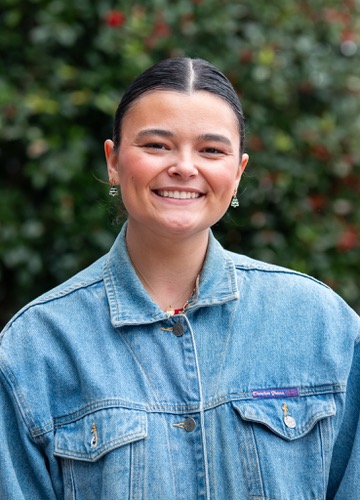
That is a significant part of Olivia Wendel’s Sullivan Weekend.
As Director of Operations for The Algernon Sydney Sullivan Foundation, Wendel coordinates the logistics that allow several distinct programs to operate simultaneously across one weekend.
“Sullivan Weekend is really several events happening at the same time,” Wendel said. “Ignite, Fellows, Faculty Forum and Alumni all have different schedules, spaces and needs, but they also come together throughout the weekend. My job is to make all of those pieces work together so participants can focus on why they came rather than worrying about where they are supposed to be next.”
That work starts months before October. Lodging, meals, registration, meeting spaces, schedules, facilitators, transportation, supplies and participant communications all have to align, along with the hundreds of smaller decisions that connect one detail to another.
“We start planning months ahead because there are hundreds of details behind a weekend like this: lodging, meals, meeting rooms, transportation, facilitators, schedules, registration and communication with participants,” Wendel said. “And then, once everyone arrives, something will always change. The planning gives us a structure, but you also have to be ready to adjust quickly and keep everything moving.”
That last part may be the most realistic description of event management. Plans matter.
Then people arrive.
Flights get delayed. Weather changes. A room is too small. Someone arrives early. Someone is missing. Three groups unexpectedly need the same thing at approximately the same time.
The work becomes less about preserving a perfect plan and more about preserving the experience.
“The best outcome for me is when participants never have to think about the logistics,” Wendel said. “They know where to go, the room is ready, the meal is there and the people they need are in place. That means they can spend their time talking, learning and building relationships. There is a lot of work behind making a weekend feel simple.”
There is also something distinctly Sullivan about that kind of work. Not every contribution is made from a stage.
Sometimes contribution means creating the conditions in which someone else’s important work can happen.
Back to all News items.